How to Get an Accurate Website Design Quote (and Compare Them Properly)
Getting a website design quote: what to send the agency, what a proper quote includes, why prices differ, hidden extras to watch for.
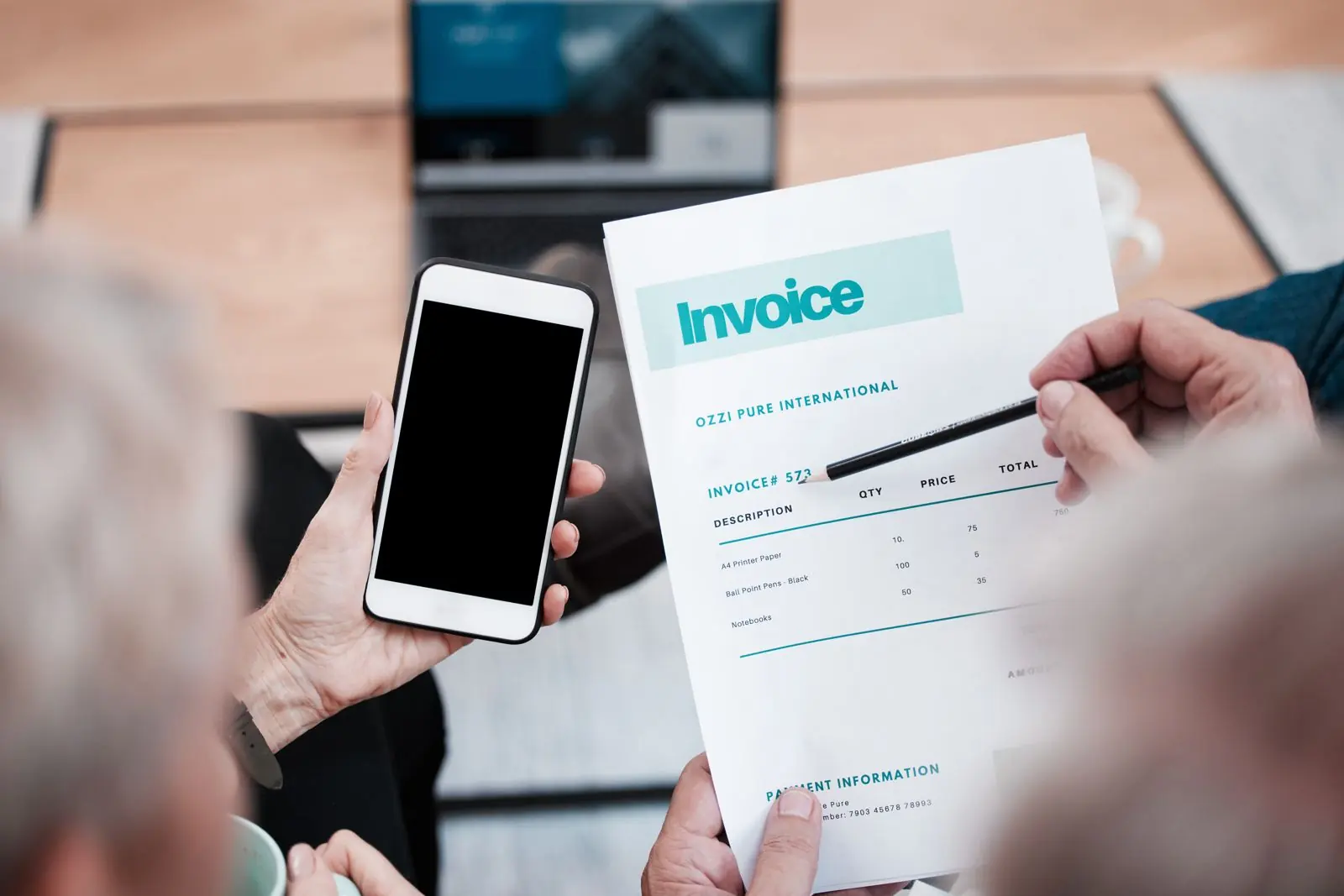
An accurate website design quote tells you exactly what you will get, what it will cost, when you will pay and what is not included. A vague one tells you a number. The difference matters because most budget overruns and disputes in website projects start with a quote that left too much unsaid.
This guide explains what to prepare before you ask, what a good quote contains, why quotes differ so much, the usual exclusions and payment terms, and how to compare quotes properly. It ends with an example quote broken down line by line, so you can see how hours become a price.
Key takeaways
- A short written brief is the fastest route to accurate, comparable quotes.
- A good quote lists pages, features, content responsibilities, SEO work, revisions, timelines, payments and exclusions.
- Quotes differ mainly because of scope, content, SEO depth and aftercare, not day rates.
- Check exclusions carefully: content, photography, premium plugins and hosting are the common ones.
- Compare quotes line by line in one table before looking at the totals.
Before you ask for a quote
The more precise your request, the more precise the quote. Before contacting anyone, write down:
- The goal: what the site must achieve, such as more quote requests or online bookings.
- The pages: a rough list, including one page per service.
- Features: forms, bookings, a shop, a client area or integrations.
- Content: who will write the copy and provide photos.
- Your current site, if you have one, and whether rankings matter.
- Budget range and deadline.
Sharing a budget range is not a weakness. It lets a good designer tell you what is realistic for that money, rather than guessing.
What a good quote includes
A good website design quote covers:
- Scope: the pages and templates, listed.
- Features: each one described in a sentence or two.
- Design: custom or template-based, and how many rounds of revisions.
- Content: who writes, edits and loads the copy and images.
- SEO and tracking: page setup, redirects from any old site, analytics and enquiry tracking.
- Testing: devices, browsers, forms, speed and accessibility checks.
- Timeline: stages and dates, including what you need to provide and when.
- Price and payment stages.
- Exclusions: what is not included.
- Ownership and aftercare: who owns what, the warranty period and ongoing support options.
Why quotes differ
It is common to receive quotes for the "same" website that differ by several times. The usual reasons are:
- Scope assumptions. One quote includes ten service pages, another assumes three.
- Content. One includes copywriting, another expects you to supply everything.
- Design depth. A template with your logo is very different from a custom design.
- SEO and migration. Redirects, keyword research and tracking take real time.
- Testing and quality. Speed and accessibility work is invisible in a quote but obvious in the result.
- Aftercare. Some prices include a warranty and training, others end at launch.
Very low quotes are usually low because something important is missing. Our guide to cheap website design explains what tends to be cut.
Common exclusions
Look for these, and ask about them if they are not mentioned:
- Copywriting and editing.
- Photography or stock image licences.
- Premium plugin, theme or font licences.
- Hosting, domain and business email.
- Migration of content from an old site.
- Extra rounds of design revisions.
- Training and documentation.
- Maintenance after launch.
Exclusions are fine when they are clear. They cause trouble when you discover them mid-project.
If the site will collect enquiries, bookings or payments, check the quote also covers privacy and cookie setup, such as a consent banner and privacy notice. The ICO's guidance for organisations sets out what applies, and it is easier to build these in from the start than to add them later.
Payment terms
A typical structure for a small business website is a deposit to start, a payment when the design is approved and the balance at launch. Larger projects may use more stages tied to milestones. Be cautious of quotes that ask for most of the price upfront, and make sure the quote says what happens to payments if the project is paused or cancelled.
Ownership should transfer on payment, which our guide to who owns your website explains.
Comparing quotes
Put every quote into one table and compare line by line: pages, features, content, design, SEO, testing, timeline, payments, exclusions, ownership and aftercare. Only then compare the totals.
If one quote is far cheaper, find the lines where it does less. If one is far dearer, ask what it includes that the others do not. Our guide to how much a website costs in the UK shows typical ranges.
Example quote
This illustrative example shows how a quote for an eight-page small business website is built from estimated hours. The rate is an example of £60 an hour. Real quotes vary in both hours and rates.
| Stage | Estimated hours | Example cost |
|---|---|---|
| Discovery, brief review and sitemap | 6 | £360 |
| Wireframes for key pages | 8 | £480 |
| Visual design: home page and two templates, two revision rounds | 16 | £960 |
| Build: eight pages on WordPress with a lean theme | 24 | £1,440 |
| Content loading, SEO setup and redirects | 8 | £480 |
| Forms and enquiry tracking | 4 | £240 |
| Testing: devices, speed and accessibility | 6 | £360 |
| Launch and checks | 4 | £240 |
| Training session and guide | 2 | £120 |
| Project management | 8 | £480 |
| Total | 86 | £5,160 |
Exclusions in this example would typically include copywriting beyond light editing, photography, premium licences and hosting. Seeing the hours makes it far easier to discuss trade-offs, such as dropping a template or providing content earlier to save time.
For planning the whole project, read our guide to small business website design in the UK. You can see how we structure projects on our process page and read feedback on our reviews page.
Frequently asked questions
What should a website design quote include?
A website design quote should list the pages and templates, features, design approach and revision rounds, who provides content, SEO and tracking work, testing, the timeline, the price and payment stages, exclusions, ownership terms and aftercare. If any of these are missing, ask for them in writing before you commit.
How do I get a quote for a website?
Write a short brief covering your goals, pages, features, content, current site, budget range and deadline, then send the same brief to two or three providers. Ask each for an itemised quote with exclusions and payment terms, so you can compare them line by line.
Why are web design quotes so different?
Quotes describe different projects. They vary in the number of pages, custom design versus templates, who writes the content, how much SEO and migration work is included, testing and aftercare. Comparing each website design quote line by line usually explains the difference and shows whether a cheaper quote is really better value.
Get an itemised quote
Send us your brief and request an itemised quote. We show the stages and exclusions so you can compare us with anyone.