Loyalty Apps for Small Businesses: Do They Work and What Do They Cost?
Loyalty apps for small businesses: how digital loyalty works, results to expect, off-the-shelf vs custom apps, costs and whether a wallet pass is enough.
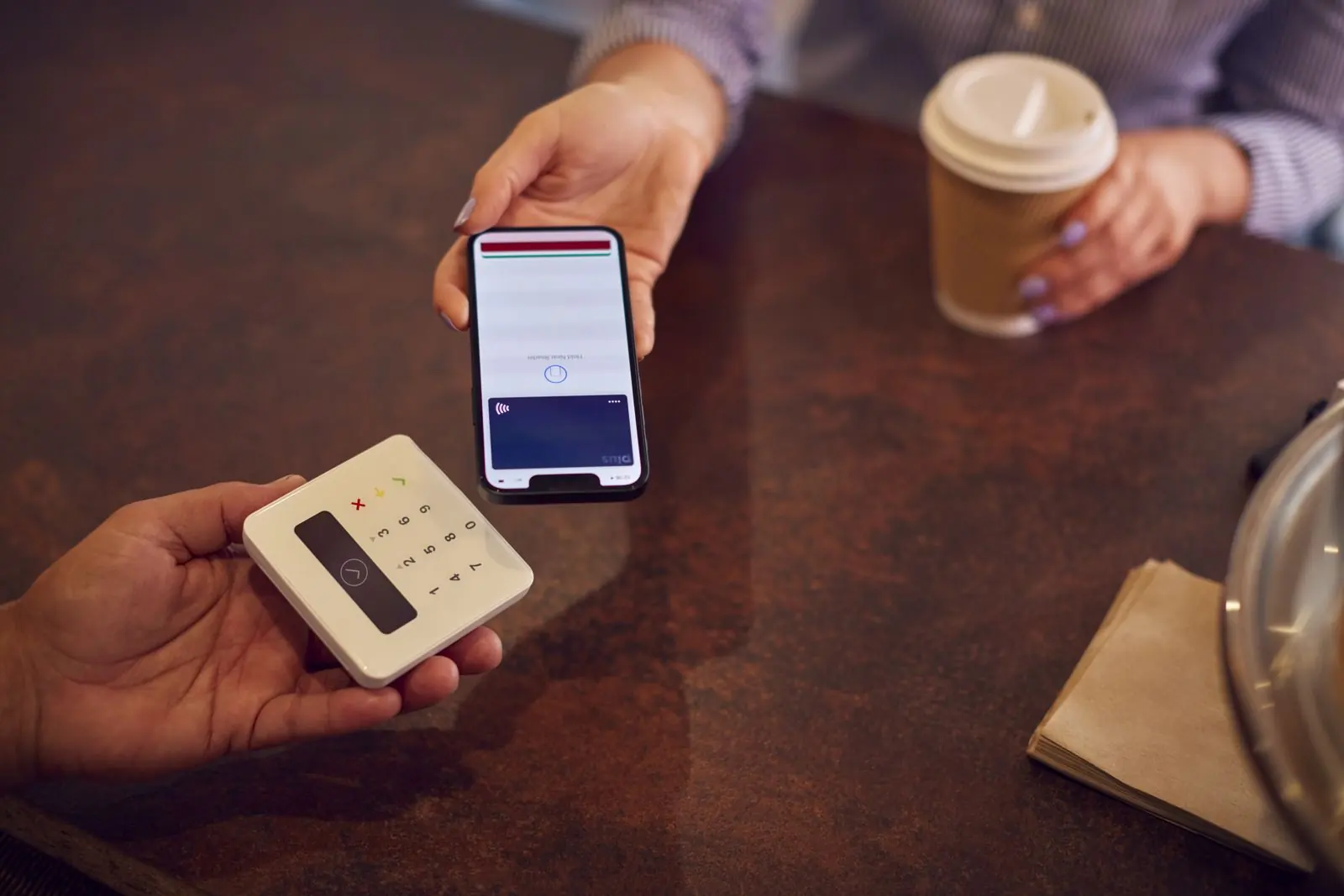
Loyalty apps for small businesses can work well, but only when customers visit often, the reward is easy to understand and joining takes seconds. For many cafes, salons, takeaways and independent shops, the best answer is not a custom app at all. A digital stamp card in Apple Wallet or Google Wallet, or a white-label loyalty platform, often delivers the same repeat visits for a fraction of the cost.
This guide explains how digital loyalty works, compares wallet passes, white-label tools and custom apps on cost and adoption, and covers how to get customers to actually use the scheme.
Key takeaways
- Digital loyalty works best for businesses with frequent repeat visits, such as cafes, barbers, salons and takeaways.
- Wallet passes need no app download, which removes the biggest barrier to sign-up.
- White-label loyalty platforms give you a branded scheme for a monthly fee, with limited customisation.
- A custom loyalty app makes sense when loyalty is combined with ordering, booking or payments.
- Adoption depends on staff asking at the till and a reward customers can reach quickly.
How digital loyalty works
Digital loyalty replaces the paper stamp card with something on the customer's phone. The common models are:
- Stamps: buy nine coffees, get the tenth free. Simple and familiar.
- Points: customers earn points per pound spent and redeem them for rewards.
- Tiers: regular customers earn better perks as they spend more.
- Offers: targeted discounts sent to members, such as a birthday treat.
At the till, the customer is identified by scanning a QR code on their phone, entering a phone number, or through a card linked to their account. The system records the visit and updates their balance.
The real value for the business is often the data. A paper card tells you nothing. A digital scheme shows how often members visit, what they buy and who has not been back for a while, and it can capture marketing consent properly.
Results businesses see
The results of loyalty apps for small businesses depend on three things: how often customers visit anyway, how attractive the reward is and how much effort joining takes. A cafe with daily regulars can see members return more often because a free drink is always a few visits away. A business customers visit twice a year will struggle to make any loyalty scheme matter.
Be sceptical of headline figures from loyalty vendors, which usually come from their best-performing clients. The honest test is your own numbers: visits per member, redemption rates and spend per visit, compared with non-members over the same period.
Wallet passes vs apps
A wallet pass is a digital card stored in Apple Wallet or Google Wallet. The customer scans a QR code, taps "add to wallet" and has a loyalty card on their phone with no app to download. The stamp count updates automatically, and passes can show relevant information on the lock screen, such as a reminder when the customer is nearby. Apple's Wallet developer documentation explains what passes can do.
An app can do much more: ordering ahead, bookings, payments, menus, offers and account history. But it must be downloaded first, and many customers will not download an app for one cafe or salon.
| Wallet pass | White-label app | Custom app | |
|---|---|---|---|
| Download needed | No | Yes | Yes |
| Sign-up time | Seconds | A minute or two | A minute or two |
| Features | Stamps, points, offers | Loyalty plus some ordering or offers | Anything you need |
| Branding | Your card design | Your brand on their platform | Fully yours |
| Typical cost | Low monthly fee | Monthly fee per location | Build cost plus maintenance |
White-label vs custom
White-label loyalty platforms give you a branded scheme, and sometimes a branded app, built on a shared platform. You get proven features, quick setup and support for a monthly fee. The trade-offs are limited customisation, fees that continue for as long as you use it and customer data that sits on someone else's platform.
A custom loyalty app makes sense when loyalty is part of a bigger experience: ordering ahead, booking appointments or classes, or integrating with your till and stock systems. If you are considering booking features too, see our guide to booking app development. Keep version one small, as covered in our guide to app MVP features.
Costs
As a rough guide:
- Wallet pass tools: typically a low monthly fee, sometimes based on the number of members or locations.
- White-label loyalty platforms: a higher monthly fee, often per location, sometimes with a setup charge.
- Custom loyalty app: usually starts around £15,000 for a simple cross-platform app with a back end, rising with ordering, payments and integrations, plus annual maintenance.
Compare over three years, including staff time and the cost of the rewards themselves.
Loyalty apps for small businesses: getting customers to use it
The best scheme fails if nobody joins. Adoption comes down to a few practical habits:
- Staff ask every customer at the till. A poster alone rarely works.
- Make joining instant. A QR code on the counter that adds a wallet pass in seconds beats a long sign-up form.
- Give the first stamp straight away, so the reward already feels closer.
- Keep the reward reachable. A free item after eight or ten visits motivates more than a distant points target.
- Offer a welcome treat for joining, if margins allow.
- Remind lapsed members with a well-timed offer rather than frequent messages.
Measuring
Track a small set of numbers from day one:
- Members joined as a share of customers asked.
- Active members who have visited in the last month.
- Visit frequency of members compared with before they joined.
- Redemption rate: how many members reach and claim a reward.
- Spend per visit for members and non-members.
If members visit no more often than before, change the reward or the way it is promoted before spending more on the technology.
For the wider picture on apps, including when one is worth building at all, see our guide to mobile app development in the UK. If loyalty is part of a web platform, our guide to custom web application development explains how the pieces connect. You can see our work on our iOS and Android apps and custom web apps pages.
Frequently asked questions
Do loyalty apps work for small businesses?
They work best for small businesses with frequent repeat customers, such as cafes, barbers, salons and takeaways, where a reward is only a few visits away. Success depends on staff asking every customer to join, instant sign-up and a reward people value. Businesses visited only occasionally usually see little benefit.
How much does a loyalty app cost?
Wallet pass tools usually cost a low monthly fee, and white-label loyalty platforms a higher monthly fee, often per location. A custom loyalty app typically starts around £15,000 for a simple cross-platform build with a back end, rising if you add ordering, payments or integrations, plus ongoing maintenance.
Can I make a loyalty card for Apple Wallet?
Yes. Apple Wallet and Google Wallet both support digital loyalty cards, known as passes, which customers add by scanning a QR code or tapping a link. Many loyalty tools create and update passes for you, so stamp counts change automatically. Loyalty apps for small businesses often start this way before any custom app is considered.
Plan your loyalty scheme
If you want more repeat visits, talk to us about a loyalty app and we will recommend whether a wallet pass, a white-label tool or a custom app suits your business.